
Long before Albany became New York’s capital, it was a Dutch frontier settlement known as Fort Orange and later Beverwijck, established in the early 17th century as part of the colony of New Netherland. Dutch traders, farmers, and families laid down enduring social, legal, and cultural traditions that would shape the region for centuries.
The Dutch Settlers Society of Albany exists to preserve and celebrate this legacy by recognizing the descendants of those early Dutch settlers who lived in the Albany area prior to the English takeover in 1664.
Founding of the Society
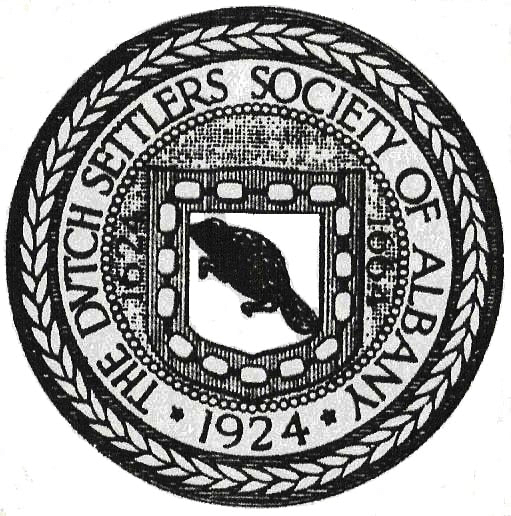
The Dutch Settlers Society of Albany was founded in 1924, during a period of renewed interest in early American colonial history and genealogical scholarship. Its founders—many of whom were themselves descendants of New Netherland families—sought to ensure that Albany’s Dutch origins were neither overshadowed nor forgotten amid the broader narrative of English colonial America.
From its inception, the society emphasized historical accuracy, scholarly research, and documented lineage, distinguishing it as both a heritage and educational organization.
Mission and Purpose
The mission of the Dutch Settlers Society of Albany centers on:
- Preserving the history of Dutch settlement in the Albany region
- Encouraging and supporting genealogical research into New Netherland families
- Educating the public about Dutch cultural, legal, and social contributions
- Promoting fellowship among descendants of early Dutch settlers
The society works to maintain awareness of the Dutch influence on New York’s development, including land tenure systems, trade networks, religious tolerance, and municipal governance.
Membership Eligibility
Membership in the Dutch Settlers Society of Albany is open to individuals who can document direct descent from a Dutch settler who resided in the Albany area prior to 1664.
Applicants must submit genealogical proof of lineage, documentation connecting the ancestor to Fort Orange, Beverwijck, or early Albany, and supporting historical records consistent with accepted genealogical standards.
New Netherland’s Lasting Influence
Although English control of New Netherland formally began in 1664, Dutch families remained deeply rooted in Albany and the Hudson Valley. Dutch surnames, architectural styles, landholdings, church records, and legal customs persisted well into the 18th century—and many survive today.
The society helps illuminate these continuities by encouraging study of Dutch Reformed Church records, early land patents and deeds, colonial court documents, and Dutch naming traditions.
Education, Commemoration, and Scholarship
In addition to genealogical recognition, the society supports historical education and preservation efforts. Activities have included lectures, commemorations related to New Netherland history, collaboration with archives and historical societies, and the promotion of scholarly research.
A Unique Place Among Lineage Societies
Unlike lineage societies focused on Revolutionary or military service, the Dutch Settlers Society of Albany honors settlement, endurance, and community-building during America’s earliest colonial era.
For descendants of New Netherland families, the society offers both recognition of lineage and a meaningful connection to the origins of New York State.
Preserving the Dutch Story in America
More than a century after its founding, the Dutch Settlers Society of Albany continues to safeguard a vital chapter of American history. By preserving genealogies, supporting scholarship, and fostering appreciation for Dutch colonial contributions, the society ensures that the story of New Netherland endures for generations to come.


 Lineage Society History
Leave a comment