
The Colonial Order of the Acorn is a distinguished hereditary society dedicated to preserving the memory and legacy of early colonial settlers who laid the foundations of what would become the United States. As a lineage society, the Order ‘s members must prove their lineage from males who lived in the American colonies before the year 1700—an era marked by exploration, survival, and the first seeds of representative government.
Like many heritage organizations founded in the late 19th and early 20th centuries, the Order was inspired by a surge of interest in genealogical research and national origin. The symbolic “acorn” in its name represents the beginnings of a great nation—small and rooted, yet destined to grow into a mighty oak.
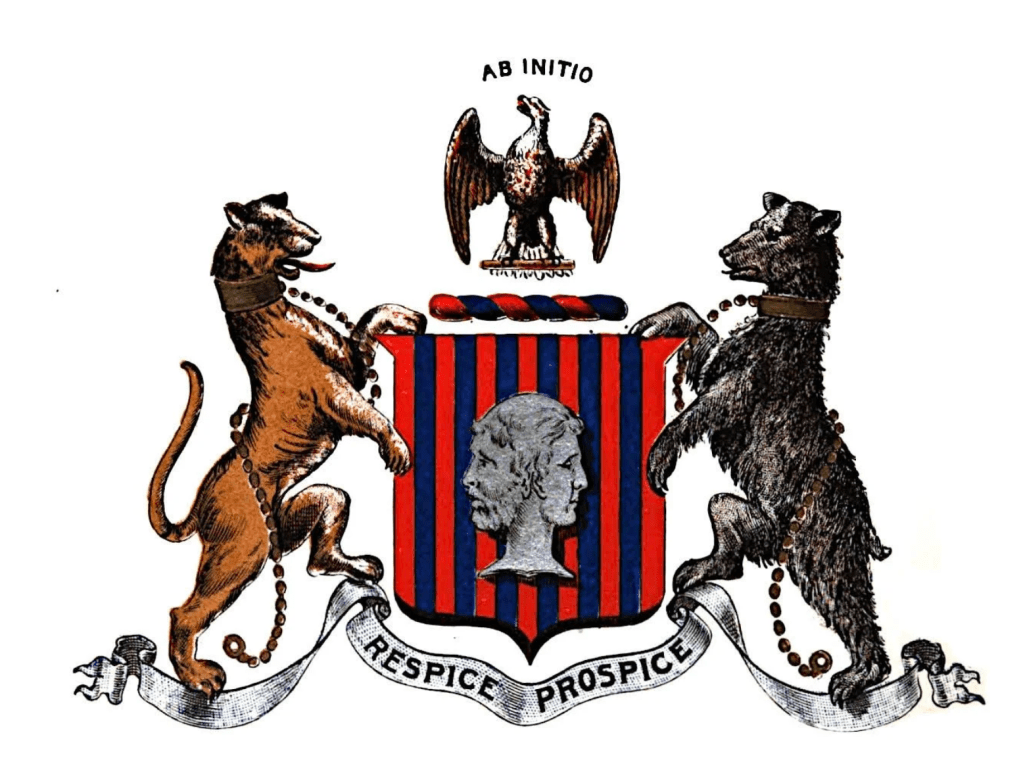
Founding and Mission
While less widely known than the Daughters of the American Revolution or the Society of Colonial Wars, the Colonial Order of the Acorn has quietly served as an important community for those who cherish deep ancestral ties to colonial America.
Its mission centers on:
- Genealogical integrity: Encouraging accurate research and verification of descent from pre-1700 settlers.
- Educational outreach: Supporting the study of early colonial life, customs, and contributions through talks, publications, and preservation efforts.
- Civic engagement: Encouraging patriotism and public service among members through charitable projects and historical programming.
Membership and Eligibility
To qualify for membership in the Colonial Order of the Acorn, It is a prerequisite that a candidate shall be a descendant, in the male line, of a forefather resident prior to July 4, 1776, in one of the North American Colonies, that afterwards became the thirteen original states. Members are nominated for membership and seconded by members of the Order. The Colonial Order of the Acorn is an invitation-only hereditary organization.
Activities and Legacy
Though membership is often by invitation or through connections with other lineage groups, the Order offers a sense of fellowship through its events, genealogical projects, and commemorative activities. Many members are active historians, genealogists, or cultural stewards who work to ensure the survival of America’s earliest stories.
The Order may support:
- Monument restorations and colonial-era preservation sites
- Educational awards or scholarships for students studying American history
- Publications on colonial genealogy and early American life
- Commemorations of key colonial anniversaries or events
Why the “Acorn”?
The acorn, long a symbol of potential and endurance, was chosen as the Order’s emblem to evoke the image of growth from humble beginnings. The colonial period—especially before 1700—was a time of uncertainty, risk, and resilience. Families who ventured across the Atlantic to carve out new lives in Jamestown, Plymouth, New Amsterdam, Charleston, and elsewhere truly planted the acorns of American civilization.
This poetic symbolism reflects the Order’s belief that from the small, determined efforts of early settlers sprang the vast and complex nation we inhabit today.
Continuing the Tradition
As interest in genealogy continues to grow, so does the relevance of societies like the Colonial Order of the Acorn. For those whose roots stretch back to the first generations of American settlers, joining such an Order offers a powerful connection to family, history, and shared national identity.
In a time when America is approaching its 250th anniversary, the voices and legacies of those early colonial acorns deserve renewed recognition and care.
Sources and References:

 Lineage Society History
Leave a comment