
The Russian Nobility Association in America (RNA) is one of the most enduring émigré organizations formed in the wake of the Russian Revolution of 1917. Established to preserve the traditions, charitable spirit, and historical memory of the Russian aristocracy, the RNA has, for nearly a century, provided a cultural anchor for Russian émigrés and their descendants in the United States.
Origins and Formation
The Bolshevik Revolution and subsequent Russian Civil War (1917–1922) led to the collapse of the Russian Empire and the exile of thousands of aristocratic families. Many fled to Europe and, eventually, to the United States. In order to preserve their heritage and assist fellow émigrés, noble exiles founded a number of organizations.
The Russian Nobility Association in America was officially incorporated on December 16, 1938. Its founding members included émigré aristocrats from prominent Russian families who had lost estates, titles, and often relatives during the revolution and civil war. The Association was modeled after similar émigré noble organizations in France and Germany but was distinctive in its strong transatlantic character.
Mission and Objectives
From the beginning, the RNA has had three central goals:
- Charity – Assisting Russian émigrés in need, particularly the elderly and displaced nobility. In the 20th century, this often included financial support, housing assistance, and aid for émigré churches.
- Heritage Preservation – Maintaining the historical memory of the Russian aristocracy and the traditions of the former Russian Empire. This includes preserving archives, heraldic records, and family genealogies.
- Cultural and Religious Support – Supporting Russian Orthodox institutions in exile, including seminaries, parishes, and monastic communities.
Activities and Contributions
Over the decades, the RNA has been involved in:
- Charitable fundraising to support Russian Orthodox seminaries, refugee aid programs, and scholarship funds for descendants of émigrés.
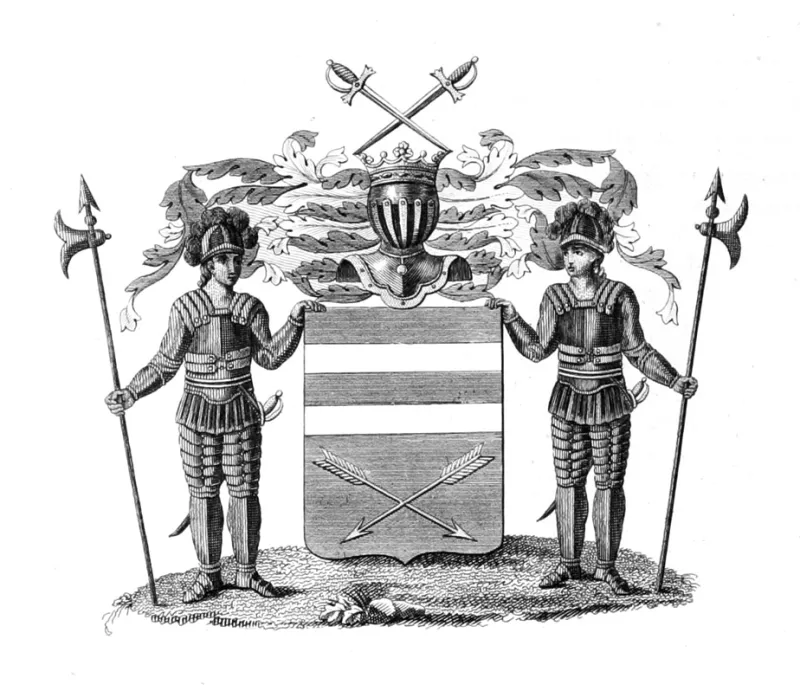
- Preservation of archives, coats of arms, and genealogical documents, ensuring noble families’ histories were not lost to time.
- Hosting of lectures, cultural events, and galas to promote Russian cultural heritage among émigré communities in the U.S.
- Cooperation with the Russian Nobility Assembly (Sobraniye), the international body of noble organizations headquartered in Paris.
During the Cold War, the RNA also served as a cultural counterweight to Soviet portrayals of pre-revolutionary Russia, keeping alive the legacy of imperial institutions and noble service.
The RNA Today
The RNA remains active in New York City, with members drawn both from families of the old nobility and from those interested in preserving Russian cultural heritage. It continues to emphasize charitable giving, particularly in support of the Russian Orthodox Church and educational programs.
The Association publishes information on genealogy and heraldry, participates in international noble congresses, and maintains its role as a representative body for Russian aristocratic heritage in America.
Conclusion
The Russian Nobility Association in America is more than just a lineage society—it is a testament to resilience in exile. By sustaining charitable traditions, preserving genealogical memory, and fostering cultural life, the RNA has ensured that the heritage of imperial Russia’s nobility endures in the New World.
Its continued existence illustrates how displaced communities can preserve identity while adapting to new cultural landscapes, keeping alive stories of a lost empire for future generations.
Sources
- Russian Nobility Association in America – Official Website
- “Former People: The Final Days of the Russian Aristocracy” by Douglas Smith


 Lineage Society History
Leave a comment