
Among America’s many lineage societies, few carry as sobering and unique a mission as the Associated Daughters of Early American Witches (ADEAW). Founded to honor the descendants of individuals accused, tried, or executed as witches in colonial America, the ADEAW preserves the memory of a dark chapter in early American history while recognizing the resilience of their descendants.

The Tragic Legacy of Early American Witch Trials
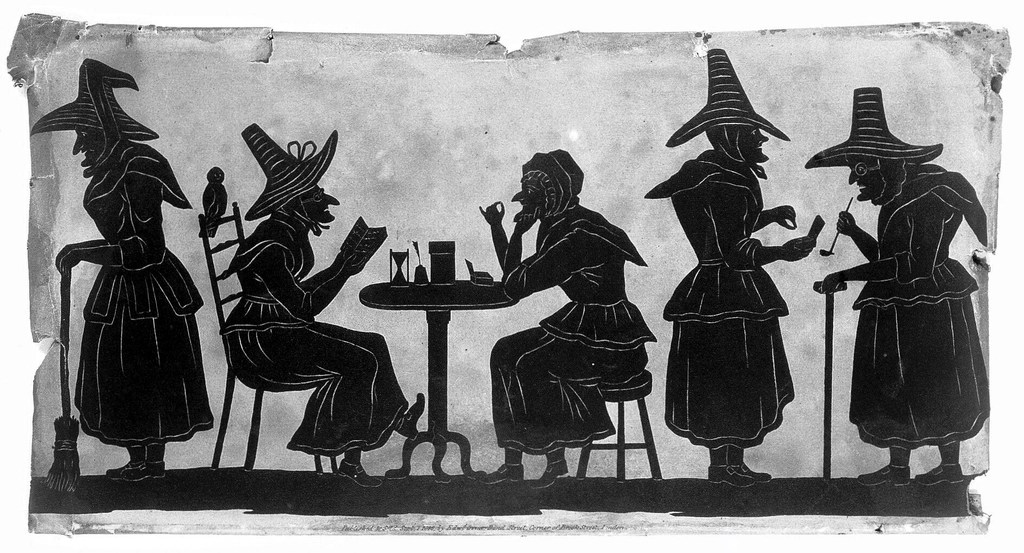
From the early 1600s through the late 1600s, several American colonies, particularly Massachusetts and Connecticut, experienced waves of fear and hysteria over accusations of witchcraft. The most infamous of these episodes was the Salem Witch Trials of 1692, but many similar trials occurred earlier and elsewhere.
During these trials:
- Hundreds were accused of witchcraft,
- Dozens were convicted,
- And more than twenty individuals were executed by hanging, pressing, or imprisonment.
The witch trials reflected a dangerous blend of religious extremism, superstition, social tension, and political instability in early colonial society.
The Formation of the Associated Daughters of Early American Witches
Recognizing the historical and genealogical importance of this period, the Associated Daughters of Early American Witches (ADEAW) was founded in 1985 by a group of women committed to honoring their ancestors who were persecuted during these trials.
The organization was established as a hereditary lineage society, offering a place of remembrance, education, and dignity for the descendants of individuals who suffered under the early witchcraft persecutions in America.
Founding Purpose
The ADEAW was created to:
- Honor and preserve the memory of individuals accused or convicted of witchcraft in early America.
- Encourage historical research into witchcraft trials and related colonial history.
- Educate the public about the causes and consequences of the witch trials.
- Promote genealogical research and documentation.
- Provide fellowship for descendants sharing this unique legacy.
The society’s motto reflects both remembrance and resilience:
“Remembering, Honoring, and Preserving the Legacy.”
Membership Requirements
Membership in ADEAW is open to women who can prove lineal descent from an individual accused, tried, or convicted of witchcraft prior to December 31, 1699, in what became the United States of America.
Applicants must submit:
- A documented lineage with primary source records (birth, marriage, death, wills, court records, land deeds, etc.),
- Proof of the ancestor’s involvement in witchcraft proceedings through historical court and church records,
- And adhere to the society’s documentation standards.
The ADEAW maintains a carefully vetted list of qualifying ancestors based on public records, historical scholarship, and genealogical research.
Educational and Historical Work
While much of its work is genealogical, the ADEAW also plays a significant role in:
- Supporting academic research into early American witch trials.
- Encouraging public education about colonial law, religion, and culture that fueled witch hysteria.
- Preserving historic sites associated with witch trials, including gravesites, trial locations, and memorials.
- Collaborating with historical and educational organizations, including museums, libraries, and historical societies.
The society also participates in conferences, sponsors lectures, and encourages members to contribute to publications and research on the witch trials.
A Legacy of Remembrance and Education
In confronting this painful chapter of American history, the Associated Daughters of Early American Witches reminds us of the dangers of mass hysteria, intolerance, and injustice. Its members honor not only their ancestors but also the broader principles of justice, due process, and human dignity that emerged in later American legal and cultural development.
The ADEAW serves as a poignant reminder that even the most painful aspects of history must be remembered and studied, both to honor the victims and to ensure such injustices are never repeated.



 Lineage Society History
Leave a comment